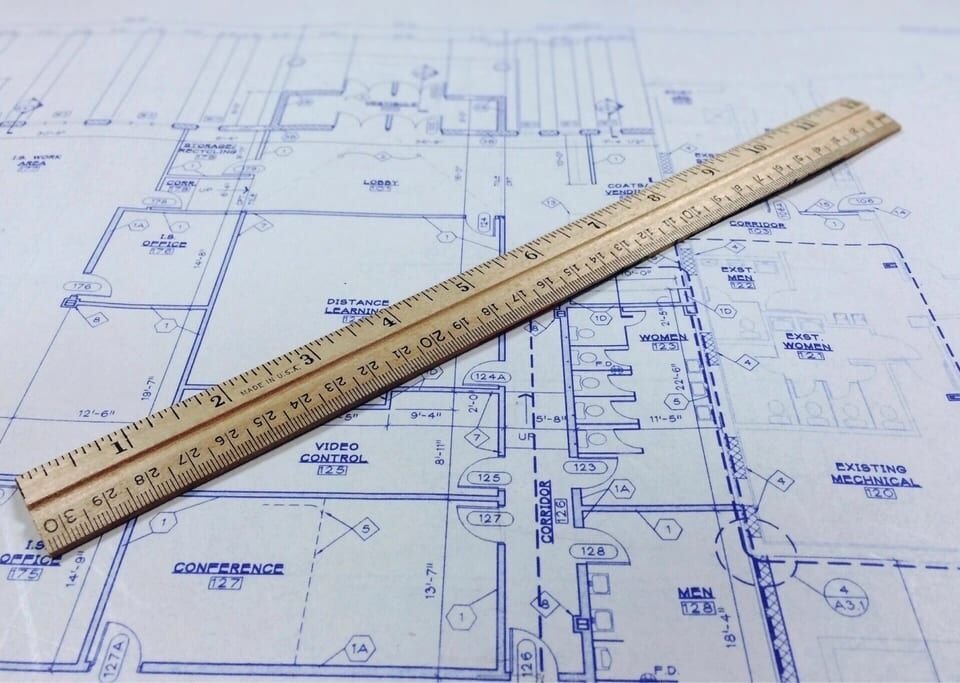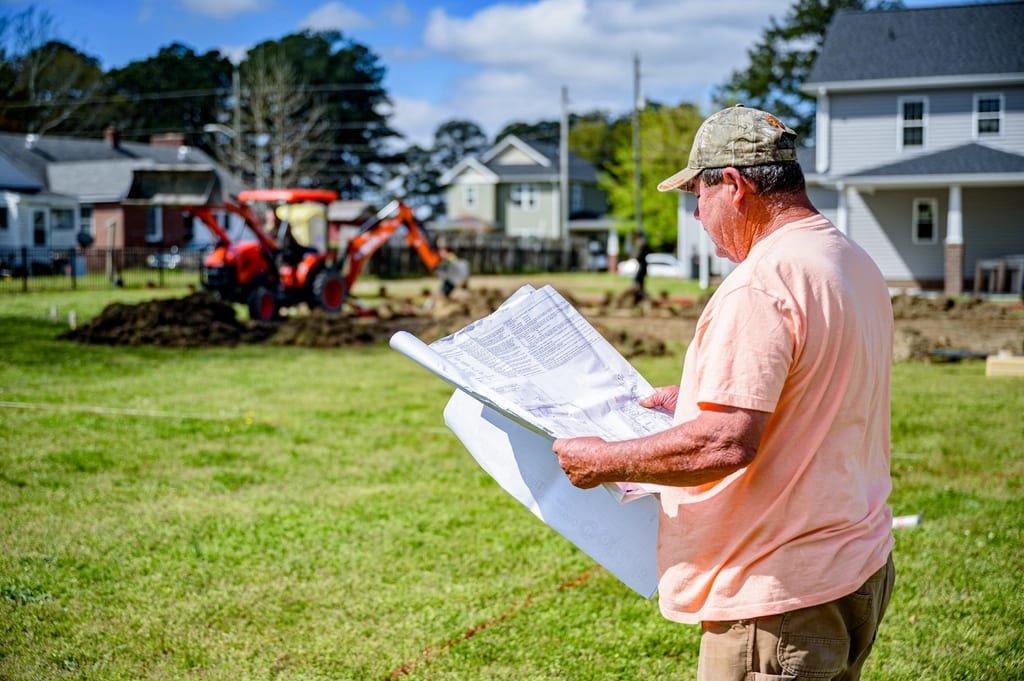
A good lot makes a good home easier, and a difficult lot can quietly eat into the budget before a single wall goes up. Before you commit, check these six things. Most of them take a few phone calls or an afternoon of reading, and they can save you months.
1. The flood zone and the floodplain rules
Look the address up on the FEMA flood map, then check which City of Houston floodplain rules apply to it. They affect how high the finished floor has to be, how the foundation is designed and, often, what insurance will cost. A lot in a mapped floodplain is not always a bad buy, but it changes the plan.
2. Deed restrictions and historic districts
Many inner-loop neighborhoods have deed restrictions that set rules for height, setbacks, garage placement or even exterior materials. Parts of The Heights also sit in City of Houston historic districts, which review new homes against design guidelines. Read the restrictions before you buy, not after the plans are drawn.
3. A current survey
A survey shows the true boundaries, easements and building lines. Easements for utilities or drainage can take a bigger bite out of a lot than you expect, especially on narrow lots.
4. Utilities
Find out where water, sewer, gas and electric connections are, and whether they are sized for a new home. Bringing in a new tap or relocating a line can be a real cost.
5. Trees
Mature trees are one of the best things about these neighborhoods. If there is a tree you want to keep, the foundation and the driveway need to be planned around its roots from day one.
6. The soil
Houston’s clay soils expand and shrink with moisture. A soil report guides the foundation design, and it is far cheaper to know early than to discover later.
Not sure about a lot?
Send us the address before you sign anything. We will tell you what we would look at first and whether anything stands out.